“On the Trail of Henry Knox” by Jennifer Dorsen (Part 2 of 5)
2. In which I get to Know Henry Knox and his Family in Maine.
My search for evidence of Knox Cannons in Somerville started in earnest when I visited friends near Thomaston, Maine in late June. It was a picture-perfect weekend, and we had two days to explore, swim, eat yummy things, and talk about history. I had no idea that to get to my friends’ house I would need to drive past the Henry Knox Museum,
We put a visit on our itinerary, and after stellar onion rings at Zack’s Shack, we took a tour from one of the Museum’s summer interns, and so learned a bit more about the General and his life and times.
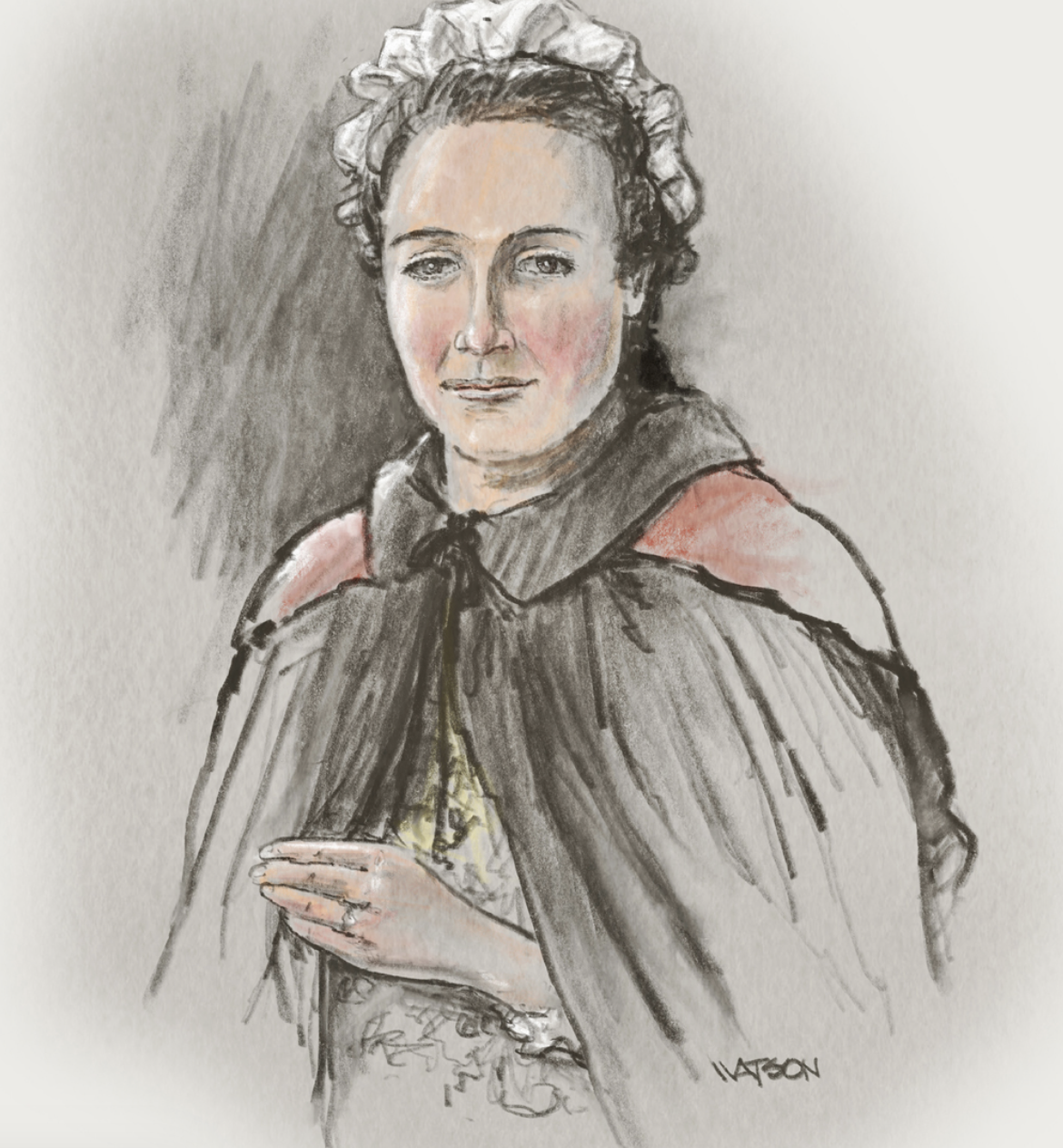
Lucy Flucker, wife of Henry Knox
When the Siege of Boston started, Knox and his young bride, Lucy Flucker, had snuck out of Boston, landing at her parent’s house in Framingham. Her family was aristocratic - and Tory - and not happy about their daughter’s marriage. They disowned her, and once the Siege of Boston was over she never saw them again. In contrast, Knox’s father had died when he was 14, leading the young man to drop out of school after the fifth grade and support the family (six of his nine siblings had died in childhood.). He ran a bookstore in Boston, reading widely, especially on military strategy. Because of the whole cannon dragging success, Knox rose quickly, becoming Washington’s trusted and capable right-hand man, serving as Chief Artillery Officer during the War. He served as the first and longest running U.S. Secretary of War, responsible for American policy and relationships with the many Native nations in the colonies and in areas to the west where colonists wanted to settle.(4) Fort Knox is named for him!
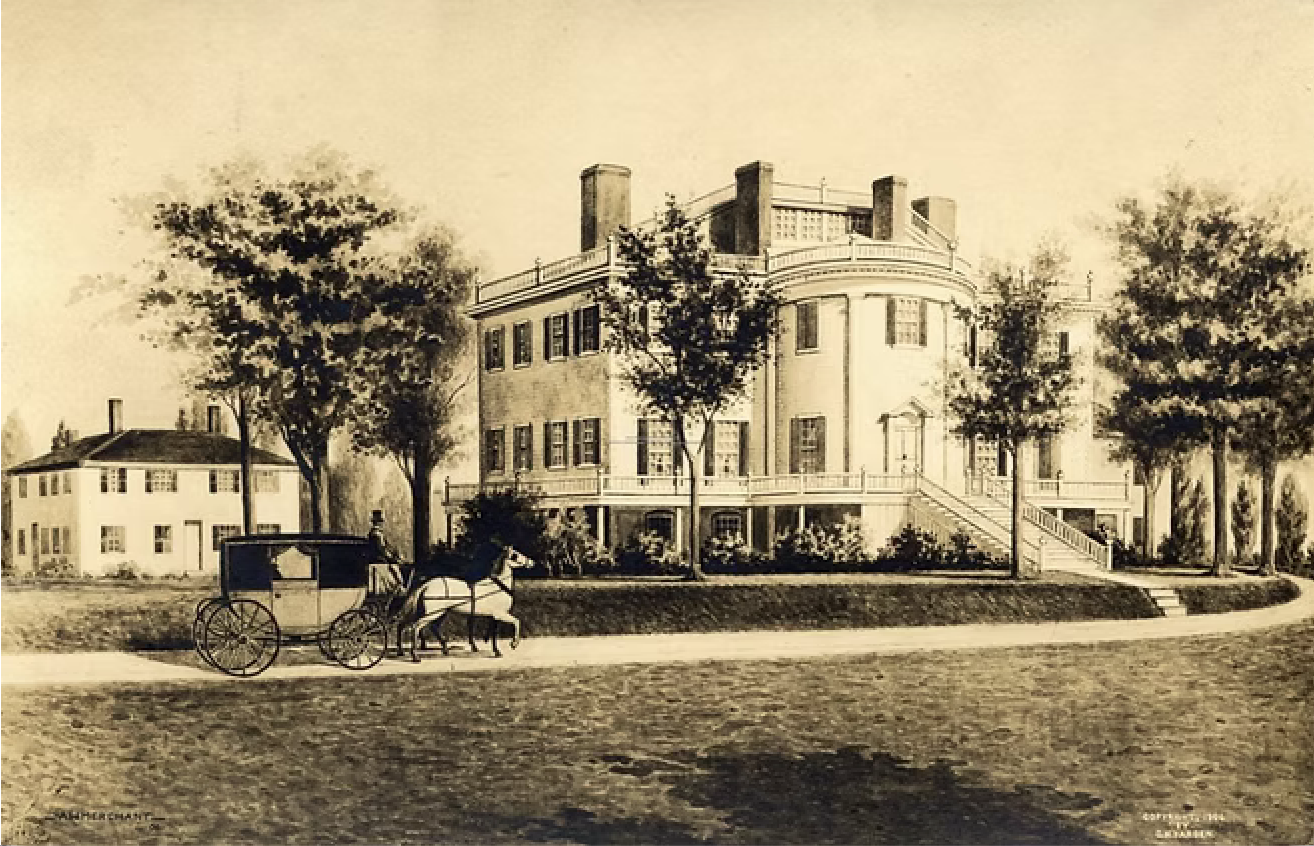
The Henry Knox House in Maine
After the war ended in 1787, the Knoxes built the house in Maine and lived there until they died. Some quick facts (5):
Lucy’s family had inherited land in Maine. Her mother’s family name is Waldo.
Lucy’s family disowned her because of her marriage to Henry, and fled to England after the Americans broke the Siege of Boston. Lucy never saw her parents again.
Henry and Lucy had 13 children of whom only 3 survived infancy and childhood. They had only one grandchild.
They contributed to the regional economy through various activities: Brick making, farming, timber harvesting, and canal building, among others.
The house, his projects, and associated efforts employed many townspeople, but their stories are largely unknown.
Henry died in 1806 and Lucy died in 1824.
The huge house is actually a replica, in a different location than the original which had “degenerated into a shabby ghost” after the Knoxs’ deaths, and been torn down. Those who raised the money to build it, intended it to be a “patriotic national shrine.”
Henry had helped to found the Society of the Cincinnati, a fraternal organization of those who fought in the Revolutionary War, and they (among others) support the Henry Knox Museum to this day. Knox has a very loyal following!
(4)https://www.mountvernon.org/library/digitalhistory/digital-encyclopedia/article/native-american-policy (5) Most of this from https:///www.knoxmuseum.org